The Difference Between Preparation And Superstition
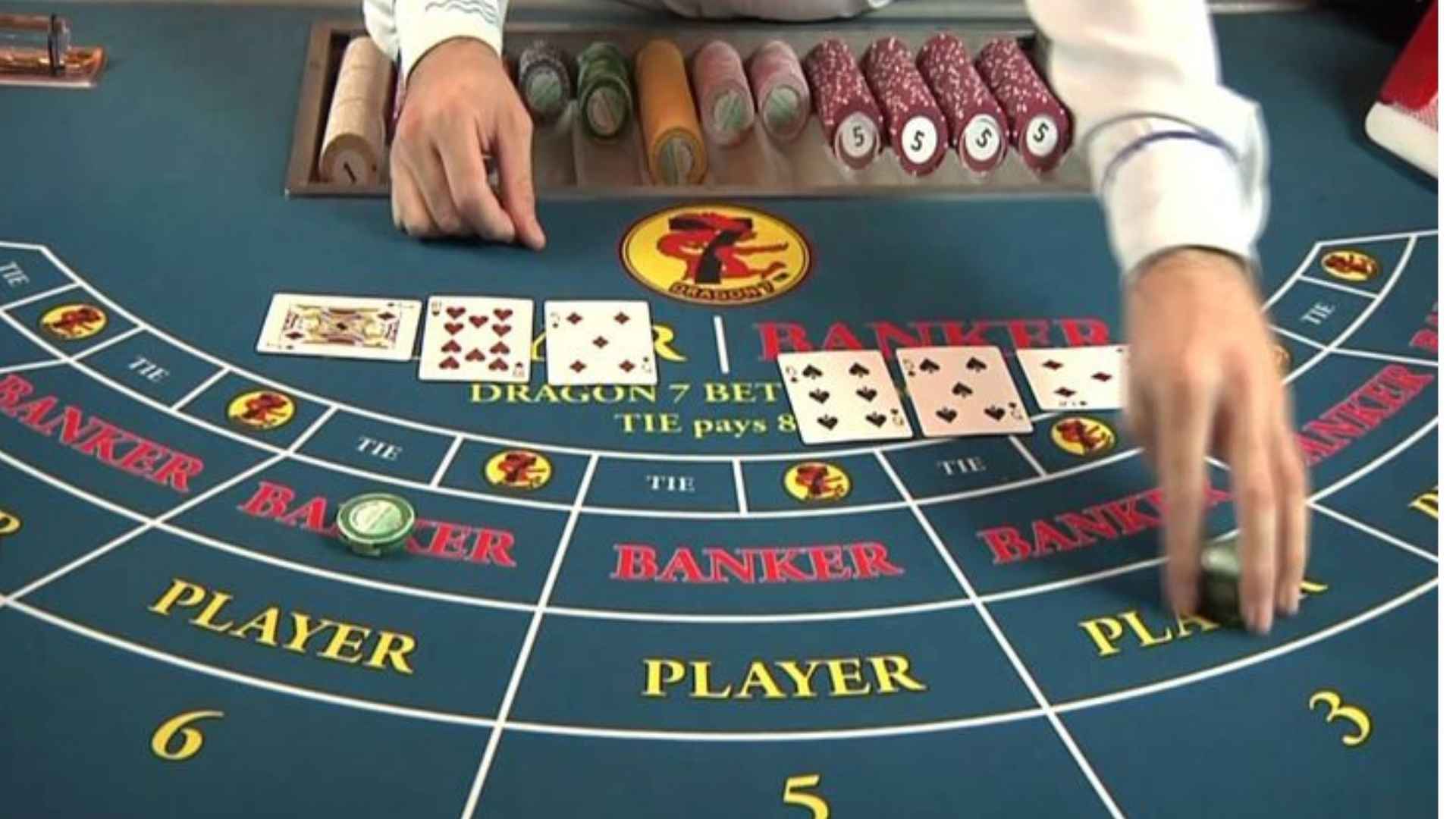
In high-stakes environments like competitive sports and strategic gaming, individuals constantly seek ways to maximize their chances of success. While some rely on rigorous training and methodical planning, others turn to personal rituals or lucky charms to influence the outcome. Understanding the fundamental distinction between structured preparation and belief-based superstition is essential for cultivating long-term performance and mental clarity.
The Nature of Strategic Preparation
Preparation relies on actionable data, skill development, and deliberate practice to build real capability under pressure. It involves analyzing past performances, identifying weak points, and creating structured routines that directly improve decision-making. When individuals prepare thoroughly, they reduce uncertainty through competence rather than emotional reliance on external factors.
A well-designed preparation routine provides predictable feedback and promotes continuous personal growth over time. Modern competitors often utilize digital tools, such as the m88.com mobile platform, to practice strategic scenarios and refine their analytical approaches anywhere. This systematic practice ensures that performance remains stable even when unpredictable challenges arise during competition.
Understanding Superstitious Behaviors
Superstition stems from the human tendency to infer cause-and-effect relationships where none actually exist. When an individual achieves a positive outcome while wearing a specific clothing item or following a unique sequence of actions, they may incorrectly attribute their success to that event. While these beliefs offer temporary psychological comfort, they do not alter objective reality or enhance underlying abilities.
Relying heavily on superstitious habits can create a fragile mindset that collapses when those habits are disrupted. If a fortunate charm is misplaced, an individual may experience heightened anxiety and diminished confidence before even beginning the task. Unlike preparation, superstition transfers personal agency to external objects or arbitrary actions.
Psychological Comfort Versus Tangible Control
The primary motivation behind both preparation and superstition is the desire to manage stress and uncertainty in high-pressure situations. Superstition provides a quick psychological shortcut to feel in control when facing unpredictable variables beyond one's influence. However, this feeling of control is an illusion that fails to address the actual requirements of performance.
True preparation delivers genuine control by equipping individuals with adaptable skills and clear focus. Instead of relying on luck, well-prepared individuals trust their training to navigate complex and changing environments. This distinction ensures that confidence is built on solid ground rather than fleeting belief.
Building Sustainable Habits for Success
Transitioning from superstition to effective preparation requires replacing arbitrary rituals with purposeful routines. Individuals should evaluate their habits critically, asking whether a specific action directly contributes to their skill or mental readiness. Retaining habits that foster focus while discarding non-functional beliefs leads to a more resilient mindset.
By prioritizing evidence-based strategies, competitors build sustainable performance models that withstand changing conditions. Developing mental discipline and practical competence ensures long-term consistency far better than any lucky charm. Ultimately, mastering preparation allows individuals to take full ownership of their results.