Why Every Tournament Is a Learning Opportunity
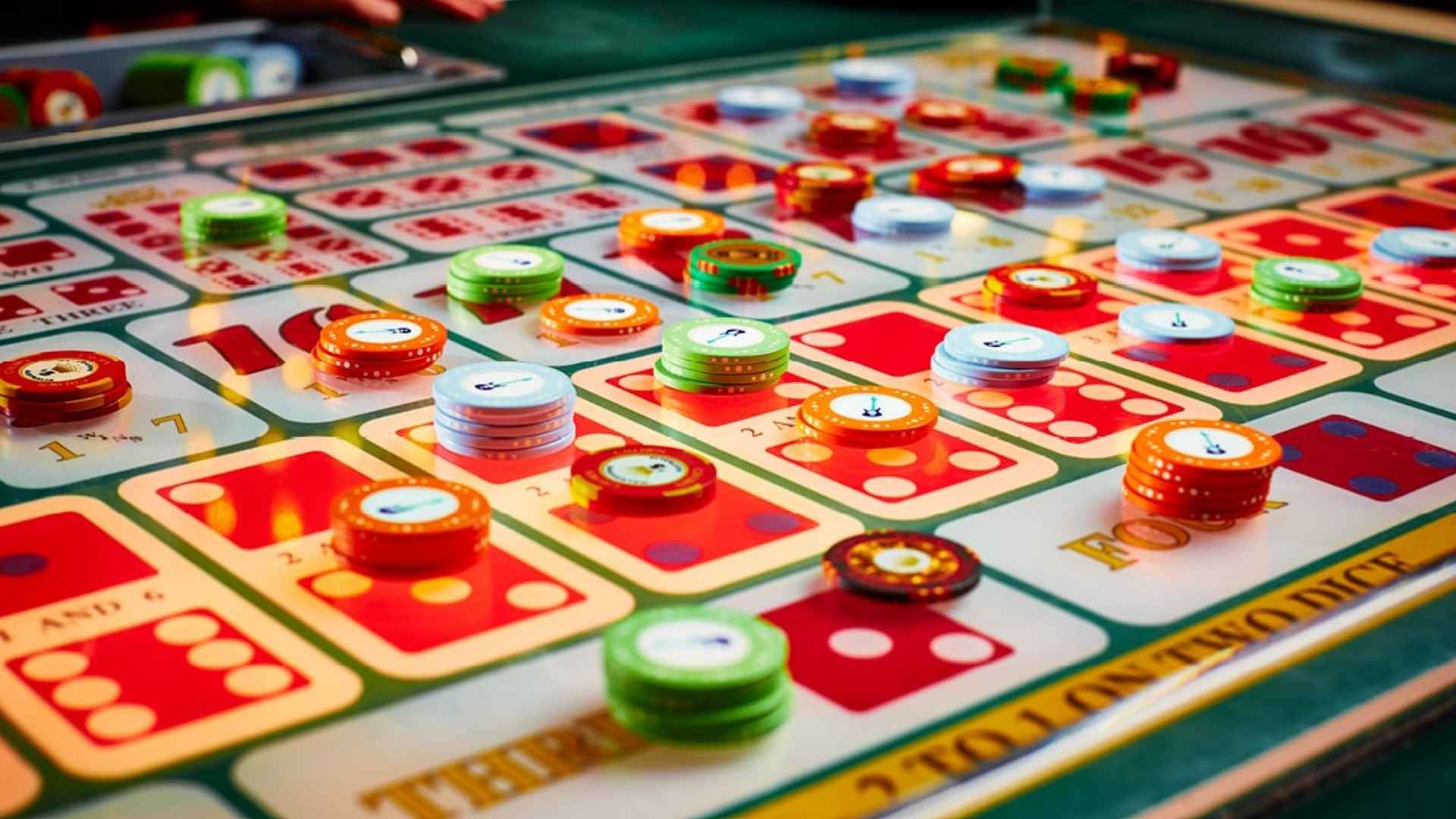
Participating in a competitive tournament is often viewed through the narrow lens of winning or losing. However, the true value of any organized competition lies in the immense personal and tactical growth it offers to every participant. Stepping onto the tournament floor forces players to adapt, perform under pressure, and discover critical areas for personal improvement.
The Value of Real-Time Feedback
In a typical practice setting, mistakes are easily overlooked or dismissed without consequence. During a live competition, every decision is tested against an opponent who is actively trying to exploit your weaknesses. This high-stakes environment provides immediate, undeniable feedback on your current skill level and strategic gaps.
Analyzing these moments after the match helps you build a highly targeted plan for your future training sessions. Instead of feeling discouraged by a loss, smart competitors view these defeats as diagnostic tools for growth. For those looking to study competitive patterns in real-time gaming, visiting the M88 Sport login portal offers an excellent way to observe how experienced players structure their strategies.
Developing Mental Resilience and Focus
Tournaments place unique psychological demands on players that cannot be easily replicated in casual matches. Managing the anxiety of a ticking clock, public observation, and escalating stakes is a crucial skill in itself. Over time, repeated exposure to this environment helps you develop emotional control and sharp decision-making habits under pressure.
Learning to maintain a calm and methodical routine prevents hasty mistakes that often result from panic. This mental toughness eventually extends beyond the game, helping you approach high-pressure situations in daily life with confidence. Ultimately, learning how to lose gracefully and refocus is one of the most powerful mental skills a competitor can acquire.
Exposure to Diverse Playstyles and Tactics
Casual games often limit your interactions to a small group of friends or local players with familiar habits. Entering a larger competitive event exposes you to a wide variety of unexpected playstyles and unique regional tactics. This diversity forces you to think on your feet and quickly adapt your approach mid-match to stay competitive.
Observing how top-tier players handle complex scenarios expands your strategic vocabulary and inspires creative solutions. This continuous exposure prevents your gameplay from becoming stagnant and predictable over time. Embracing these new perspectives is essential for anyone aiming to transition from a casual hobbyist to a seasoned expert.
Building a Community and Professional Network
Beyond the games themselves, tournaments serve as major social hubs for passionate individuals who share similar goals. Engaging with fellow competitors allows you to exchange advice, discuss advanced techniques, and build lasting relationships. These connections often lead to collaborative training groups that accelerate your learning curve far faster than solo practice.
Being part of a supportive community keeps your motivation high, especially after facing a difficult defeat on the bracket. Surrounding yourself with ambitious peers inspires you to push past your current limits and set higher benchmarks for success. In the end, the camaraderie and knowledge shared off the table are just as valuable as the trophies won on it.